5 Reasons to Start Your Specialty Coffee Subscription Now

If you have been waiting for the right moment to commit to a specialty coffee subscription, that moment is about to expire. Gold Dot Roasting closes its current subscription window on July 21, and after that date, the specific seasonal lots and ceramic pairing options available right now will be gone. According to the Specialty Coffee Association, fewer than 10% of coffee drinkers have access to beans scored 85 or above on the cupping scale. Gold Dot sources exclusively in that tier. Missing this window is not just missing a discount. It is missing a curated, traceable coffee experience that most people never find.
Table of Contents
- Quick Takeaways
- The July 21 Deadline Is Real
- Reason 1: Seasonal Lots Disappear Fast
- Reason 2: The Ceramics Pairing Is a Subscription Exclusive
- Reason 3: Traceability That Most Roasters Cannot Offer
- Reason 4: Boulder Creek California Roasting Matters
- Reason 5: Locking In Your Subscription Protects Your Price
- How Gold Dot Compares to Other Specialty Roasters
- Frequently Asked Questions
- References
Quick Takeaways
| Key Insight | Explanation |
|---|---|
| July 21 is a hard cutoff | Current seasonal lots and ceramic pairing options close on this date. No extensions are offered. |
| Beans scored 85+ on the cupping scale | Gold Dot sources only specialty-grade beans, placing every roast in the top tier of global coffee quality. |
| Handmade ceramics are subscription-exclusive | The in-house ceramic vessels available as part of the subscription are not sold separately during active subscription cycles. |
| Seasonal lots are finite by definition | Single-origin seasonal coffees are harvested once per year. When the lot sells out, it is gone until next harvest. |
| Boulder Creek sourcing adds regional specificity | Roasting in Boulder Creek, California ties the product to a specific terroir of craft and intention that larger commercial roasters cannot replicate. |
| Subscription pricing locks in current rates | Green coffee prices have risen significantly since 2022. Subscribing now protects against future price increases on premium lots. |
| This is a gift-worthy product with a deadline | A handmade ceramics coffee gift paired with a seasonal subscription is a complete, traceable gifting experience that does not exist off-the-shelf. |
The July 21 Deadline Is Real
A common mistake people make with specialty coffee subscriptions is treating the signup window like a rolling offer. It is not. Gold Dot Roasting sets firm cycles tied to actual green coffee inventory, roast scheduling, and ceramic production timelines. When the July 21 date closes, the roastery moves to the next production batch, and the lots and vessel options currently available get retired.
This is not artificial scarcity. It is operational reality. Specialty roasters at this quality tier do not hold inventory indefinitely. The beans available right now represent a specific harvest, a specific farm relationship, and a specific score on the cupping table. That combination does not repeat.
Pro tip: If you are considering a Gold Dot Roasting subscription as a gift, order before July 21. The current ceramic vessel options are part of this subscription cycle only, and they make the gift significantly more distinctive than a standard coffee delivery.
Reason 1: Seasonal Lots Disappear Fast
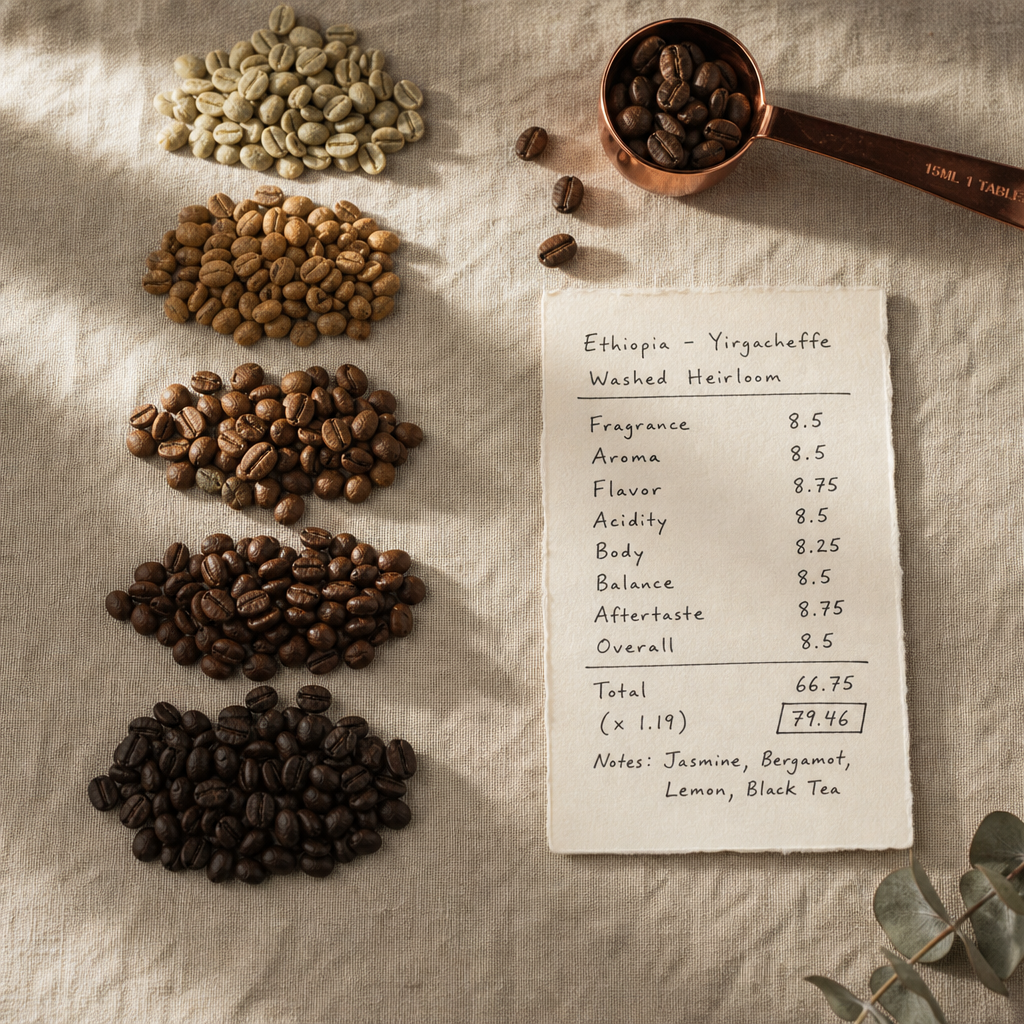
Specialty coffee is agricultural. The beans in Gold Dot's current lineup were grown during a single harvest season, at a specific elevation, under specific climate conditions. A seasonal coffee subscription is not the same as a recurring order of a permanent blend. Each cycle represents a genuinely different product.
Why seasonal supply is not a marketing term at Gold Dot
Gold Dot sources beans scored 85 or above, which already represents a narrow slice of global coffee production. The Specialty Coffee Association estimates that specialty-grade beans make up under 10% of total global coffee output. Within that tier, the lots that meet Gold Dot's specific sourcing criteria are even smaller. Once the current lot is committed to subscribers and sell-through begins, there is no secondary source to draw from.
In practice, this means that waiting even a few days after July 21 to subscribe will result in a different lineup, not the coffees available right now. If a specific origin or processing method in the current cycle appeals to you, the window to access it is narrow.
What happens after the deadline
After July 21, Gold Dot transitions to the next sourcing and roast cycle. The coffees will still be excellent. But they will be different coffees. If you have been following a specific origin or farm relationship that Gold Dot has featured recently, your best opportunity to receive those beans as part of a subscription is before the current cycle closes.
Reason 2: The Ceramics Pairing Is a Subscription Exclusive
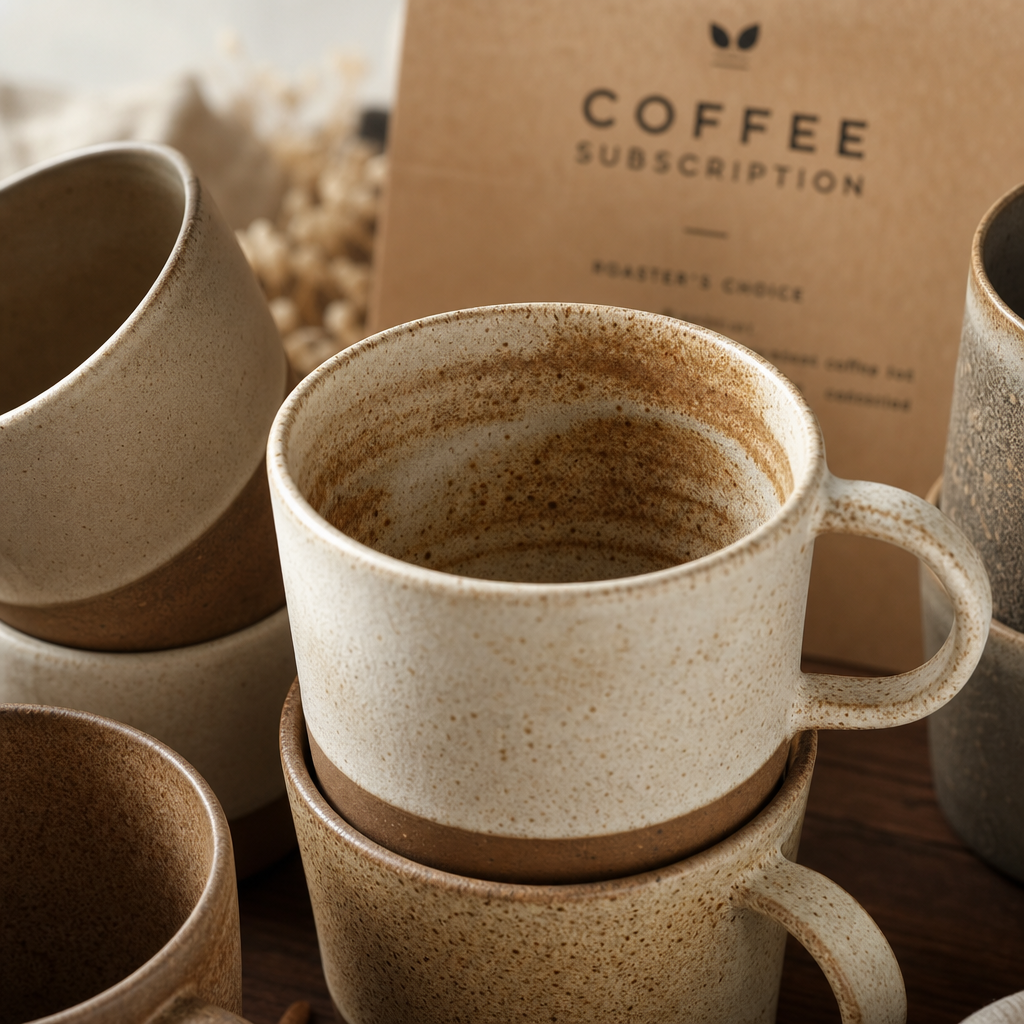
Gold Dot Roasting is not a coffee company that also sells mugs. The ceramic vessels are designed and made in-house, which puts them in a different category entirely from the branded merchandise that most roasters offer. The pairing of a handcrafted ceramic with a specialty-grade roast is the product. One does not work as well without the other.
This matters for anyone searching for a handmade ceramics coffee gift that is actually coherent, not just a mug and a bag of beans bundled together. Gold Dot's ceramics are made to be used with their specific roasts. The pairing is intentional, not incidental.
Why this matters compared to what competitors offer
Heath Ceramics makes exceptional pottery. Intelligentsia roasts exceptional coffee. But neither of them offers both under one production roof, with a single maker controlling both the vessel and the roast. That integration is what makes the Gold Dot subscription option genuinely rare, not just premium.
The ceramics available as part of the current subscription cycle are not listed as standalone products during the active subscription period. If you want one of these vessels paired with the current seasonal lot, a subscription is the mechanism to get it. After July 21, the current vessel options move out of the active offering.
Pro tip: When considering the subscription as a ceramics gift, look at the specific vessel options in the current cycle. Gold Dot's in-house design process means each cycle's ceramics are distinct. You are not ordering a standardized product.
Reason 3: Traceability That Most Roasters Cannot Offer
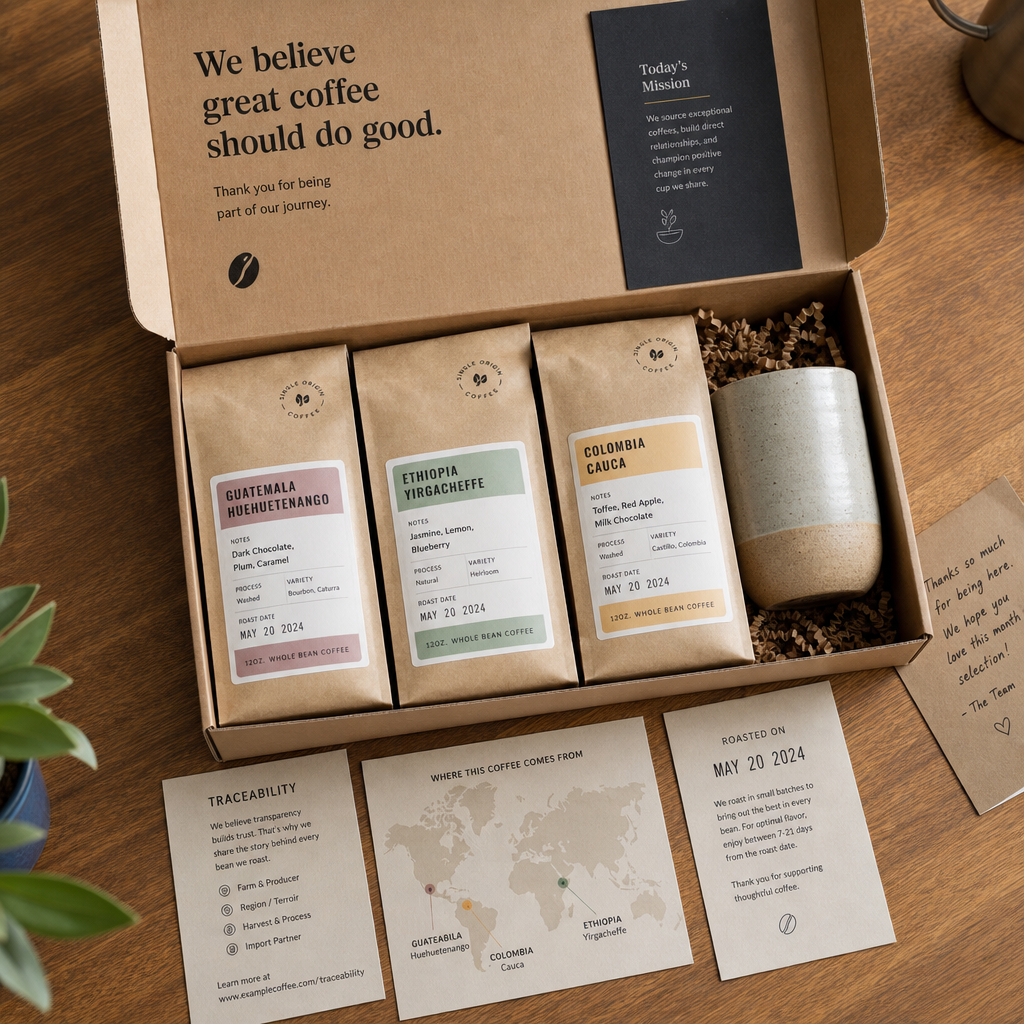
Traceability in specialty coffee is not a given. It is earned through specific farm relationships and a sourcing process that prioritizes knowing where the bean came from over price optimization. Gold Dot Roasting operates in that model, which is why every roast in the subscription carries genuine provenance information, not just a regional label.
"Traceability is the backbone of the specialty coffee movement. Without it, quality claims are just marketing." - Specialty Coffee Association, 2023 Annual Report
The data consistently shows that coffee consumers who seek out specialty-grade products place high value on knowing the origin of their beans. According to a 2023 Statista report on coffee consumption trends, 64% of premium coffee buyers cited "source transparency" as a key purchase driver. Gold Dot's model is built around satisfying exactly that need.
What traceability looks like inside a Gold Dot subscription
Each subscription cycle includes specific information about the farm or cooperative, the growing elevation, the processing method used after harvest, and the cupping score assigned to that lot. This is not generic origin information. It is the kind of detail that tells you why a coffee tastes the way it does, not just where it came from geographically.
A common mistake coffee subscribers make is assuming that any specialty roaster offers this level of detail. Many use the word "single-origin" without providing the farm-level data that makes that claim meaningful. Gold Dot's sourcing practice is built around the specifics, which is what separates the subscription from a generic premium coffee delivery.
Reason 4: Boulder Creek California Roasting Matters
Location is not just a detail in specialty coffee roasting. The roasting environment, the elevation, and even the local water quality used in the cupping process affect how a roaster calibrates their profile. Boulder Creek, California is not a major coffee industry hub, which is precisely why Gold Dot's roasting operation there is significant. It reflects a deliberate choice to build craft outside the noise of saturated urban coffee markets.
The Santa Cruz Mountains surrounding Boulder Creek create a specific working environment that independent makers and craftspeople have valued for decades. Gold Dot's dual focus on coffee and ceramics fits that tradition. The roastery is not optimizing for volume or market visibility. It is optimizing for quality at a scale that allows direct attention to each roast.
Why this is a meaningful differentiator against larger roasters
Onyx Coffee Lab operates out of Bentonville, Arkansas, with a significant wholesale and competition profile. Intelligentsia is headquartered in Chicago with multiple retail locations and a broad commercial footprint. Both are genuinely excellent roasters. But neither of them is a small-batch operation in the Santa Cruz Mountains combining ceramic production with coffee sourcing under one roof.
The Gold Dot Roasting subscription represents access to something that those larger operations structurally cannot offer: a maker-scale production environment where the person roasting the coffee and the person throwing the ceramic vessel are operating in the same creative and physical space. That connection changes the product in ways that are real, not just narrative.
Reason 5: Locking In Your Subscription Protects Your Price
Green coffee prices have been volatile since 2021. The International Coffee Organization reported that arabica futures hit multi-decade highs in late 2023 and continued rising into 2024. Specialty-grade lots, which sit at the top of the market, are not insulated from this pressure. Roasters who prioritize quality absorb these costs or pass them through to customers.
Starting a subscription before July 21 locks in your current pricing for the duration of that subscription cycle. This is not a guaranteed forever-price, but it does mean you are not immediately subject to mid-cycle adjustments if green coffee costs continue to rise. For a product at this quality tier, that protection has real dollar value.
The broader cost argument for specialty coffee subscription versus retail
Buying specialty-grade coffee on a per-bag retail basis is almost always more expensive than subscribing at the same quality level. The subscription model allows a roaster like Gold Dot to plan inventory and reduce waste, and a portion of that efficiency comes back to the subscriber in the form of better pricing or added value, such as the ceramic pairing.
In practice, a subscriber receiving a seasonal lot plus a handcrafted ceramic vessel through the Gold Dot subscription is getting a bundled value that would cost significantly more if those two products were purchased separately through a retail channel, assuming the ceramics were even available outside the subscription context.
How Gold Dot Compares to Other Specialty Roasters
The specialty coffee subscription market includes roasters at very different scales and with very different value propositions. The table below compares Gold Dot Roasting against two well-known competitors across dimensions that matter specifically to the buyer evaluating a subscription before the July 21 deadline.
| Feature | Gold Dot Roasting | Onyx Coffee Lab | Intelligentsia |
|---|---|---|---|
| Bean quality threshold | 85+ cupping score, sourcing minimum | High specialty grade, competition-focused | Specialty grade, direct trade program |
| Ceramics included | Yes, handmade in-house as part of subscription | No | No |
| Production scale | Small-batch, maker-scale, Boulder Creek CA | Mid-scale, multiple wholesale accounts | Large-scale, national retail presence |
| Traceability detail | Farm-level, processing method, cupping score per lot | Farm-level, strong transparency record | Direct trade, regional origin detail |
| Subscription window | Cycle-based, current window closes July 21 | Rolling enrollment available | Rolling enrollment available |
| Gift coherence | Coffee plus ceramic from same maker, one source | Coffee only | Coffee only, branded merchandise separate |
The comparison above is not an argument that Onyx or Intelligentsia are poor choices. They are both serious roasters with strong reputations. The point is that Gold Dot offers something structurally different, a combined coffee and ceramics subscription from a single small-batch maker, that neither competitor provides. If that combination is what you are looking for, there is no equivalent alternative to subscribe to instead.
Frequently Asked Questions
What happens if I miss the July 21 deadline?
If you miss the July 21 cutoff, you will not be able to access the current seasonal lots or the ceramic vessel options tied to this subscription cycle. Gold Dot will open a new subscription window in the next cycle, but the specific coffees and ceramics available then will be different. There is no way to retroactively access a closed cycle's offerings.
Is the Gold Dot specialty coffee subscription a good option for people new to specialty coffee?
Yes, and in some ways it is better suited to newcomers than experienced buyers. The traceability information Gold Dot provides with each lot gives new specialty coffee drinkers a concrete framework for understanding why a coffee tastes the way it does. The ceramic pairing also gives a tangible, tactile dimension to the experience that helps build the habit of intentional brewing. Experienced buyers will value the sourcing specifics; newer buyers will value the education built into the product.
Can I give the Gold Dot subscription as a gift before July 21?
Yes. The subscription is structured to function as a handmade ceramics coffee gift as well as a personal purchase. Ordering before July 21 ensures the recipient gets the current seasonal lot and the ceramic vessel options available in this cycle. After the deadline, the gift would be placed into the next cycle's lineup, which will have different offerings.
How does a seasonal coffee subscription differ from a standard recurring coffee delivery?
A standard recurring coffee delivery typically ships the same product on a fixed interval. A seasonal coffee subscription like Gold Dot's is tied to actual harvest cycles and lot availability. The coffee changes with each cycle because the sourcing changes. This means the subscription is an ongoing exploration of different origins, farms, and flavor profiles rather than a repeat shipment of a single house blend or product.
Are the ceramics in the subscription available to buy separately?
During an active subscription cycle, the ceramic vessels paired with that cycle are not available as standalone retail purchases. This is a deliberate part of Gold Dot's model. The ceramics are made to accompany the specific coffees of that cycle, and the pairing is part of what the subscription provides. After a cycle closes, some ceramics may become available through other channels, but the specific pairing with seasonal coffees is a subscription-exclusive experience.
What cupping score do Gold Dot's beans need to reach for inclusion in the subscription?
Gold Dot sources exclusively from beans that score 85 or above on the Specialty Coffee Association's 100-point cupping scale. This threshold is the formal definition of specialty-grade coffee and represents the top tier of global production. The 85+ requirement is a minimum, not an average. In practice, many of the lots Gold Dot sources score higher, but the floor ensures that nothing below specialty grade enters the subscription.
What is your experience with specialty coffee subscriptions? Have you found that ceramic vessels change how you engage with a morning cup? Share your thoughts in the comments.
References
- Statista consumer research on specialty coffee purchasing behavior and source transparency as a buying factor
- Forbes coverage of the specialty coffee industry, subscription commerce growth, and premium food product trends
- International Coffee Organization data on arabica futures pricing and green coffee market volatility
- Specialty Coffee Association standards for cupping scores, grading definitions, and specialty-grade classification
- HubSpot research on subscription-based commerce, customer retention, and the value of bundled product offerings